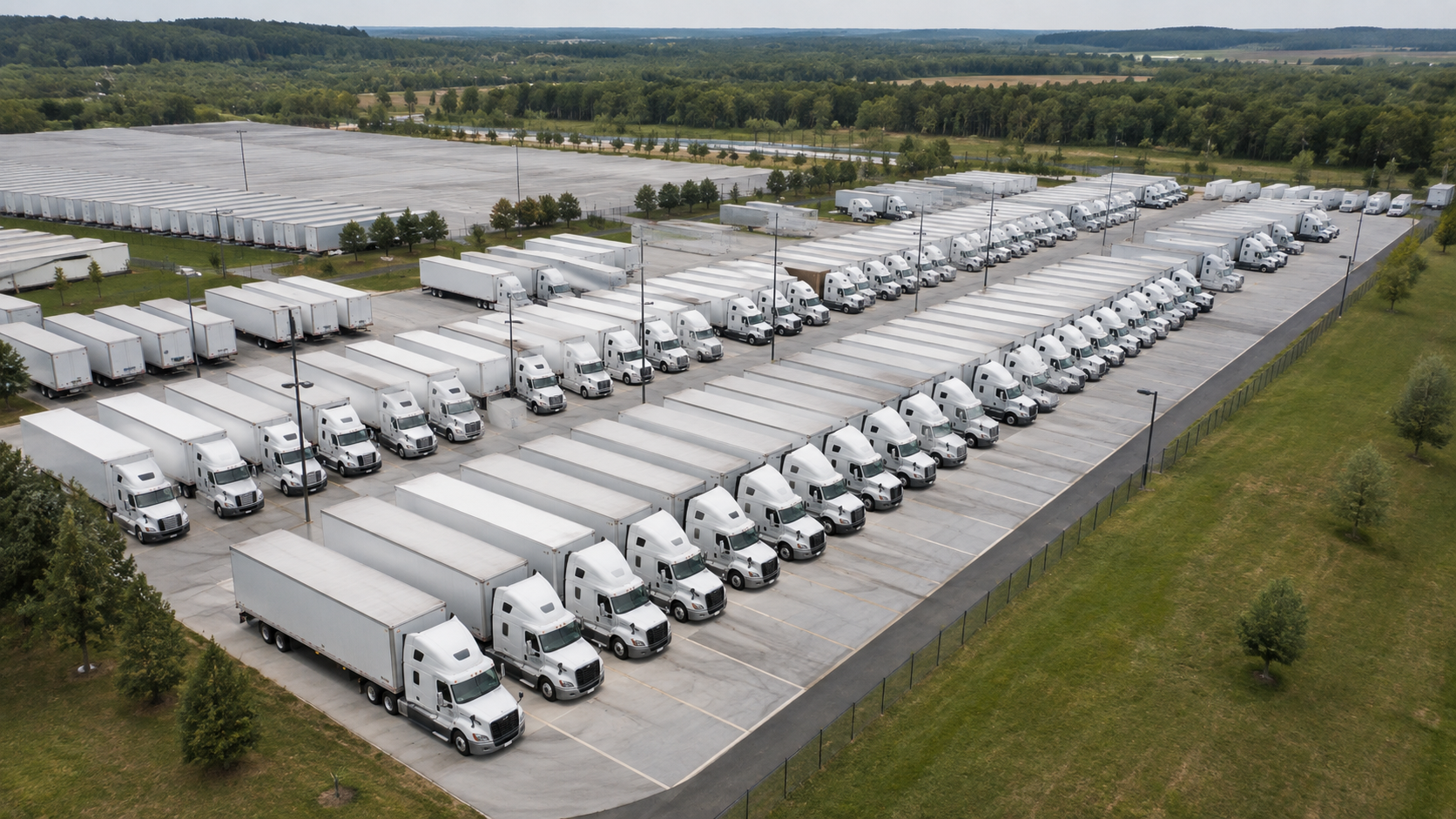
A new truck looks like a single addition. Behind it are a driver, documents, equipment information, scheduling decisions, and new conversations between people. Growth gets easier to manage when those connections are planned first.
Look at the work that grows with you.
Write down what changes when another truck joins the operation. Start with the ordinary tasks: finding a driver, collecting information, assigning equipment, and keeping track of open issues.
Notice which tasks depend on a single person remembering the next step. Those are useful places to create a more repeatable routine before volume increases.
- Who coordinates the applicant conversation?
- Who checks that the onboarding handoff is ready?
- Where is equipment information maintained?
- Who follows up when a task is incomplete?
Connect recruiting to operations.
Recruiting should not end in an isolated message that a driver is ready. Agree on what the operating team needs and how it receives that information.
The hiring decision stays with your company. The coordination around that decision should help your people work from the same expectations, with clear next steps for the applicant.
Keep one useful equipment view.
A fleet record should help someone answer a real operating question. Keep equipment identifiers, status, assignments, and open issues organized in the tools your team actually uses.
When an issue changes, update the shared view and tell the person who needs to act. A record that nobody trusts soon creates another chain of phone calls.
Add support around the pressure point.
You do not need to rebuild the whole company at once. Start with the workflow that is slowing the team down and define a manageable scope of support.
SS RECRUITING, SS SAFETY, and SS FLEET can be connected around the handoffs in a growing carrier. The starting point is your operation: the people you already have, the tools they use, and the next stage you want to reach.
Ready to connect more of your operation?
Talk to SS Group